Myth 1: We will be happy if we fulfil our worldly desires. The fact is worldly things can give us only momentary pleasure, not real happiness.

“If we analyse the motives behind anything that we do, we find that ultimately all actions, all undertakings, have a common and universal goal: the avoidance or removal of pain, and the attainment of permanent Bliss”. – Paramahansa Yogananda
The ultimate aim of all our actions is to achieve happiness. We strive to fulfil our desires in pursuit of happiness. But, the fulfilment of worldly desires gives us only momentary pleasure, not lasting happiness. Why can we not get lasting happiness from worldly desires? We may think it is because we have many desires. The happiness that we get from worldly desires gradually fades away and anxiety to fulfil a new desire occupies our mind. This cycle continues to repeat. However, this is not the real reason why we are not experiencing lasting happiness.
The real reason is we are giving a toy to a thirsty baby crying for milk. Seeing the toy the baby stops crying momentarily, but soon she remembers the thirst and starts crying again. Our longing for lasting happiness stems from within which can only be satisfied by knowing our true nature. Worldly desires satisfy our ego, not our soul. The need to have lasting happiness persists like the thirst of the baby.
Myth 2: We can understand life with intelligence. The fact is only intelligence is not sufficient to understand our life, we need intuition.
“ The field of reason, or of the conscious workings of the mind, is narrow and limited. There is a little circle within which human reason must move. It cannot go beyond. Every attempt to go beyond is impossible, yet it is beyond this circle of reason that there lies all that humanity holds most dear. All these questions, whether there is an immortal soul, whether there is a God, whether there is any supreme intelligence guiding this universe or not, are beyond the field of reason. Reason can never answer these questions.” – Vivekananda

To understand this we need to know what is the source of knowledge and what are the tools available to us to realise this knowledge. All knowledge comes from within, no knowledge comes from outside. Outside experiences help us to realise the knowledge. The falling apple helped Newton realise that gravity exists. Gravitation force was already there, Newton realised that it existed.
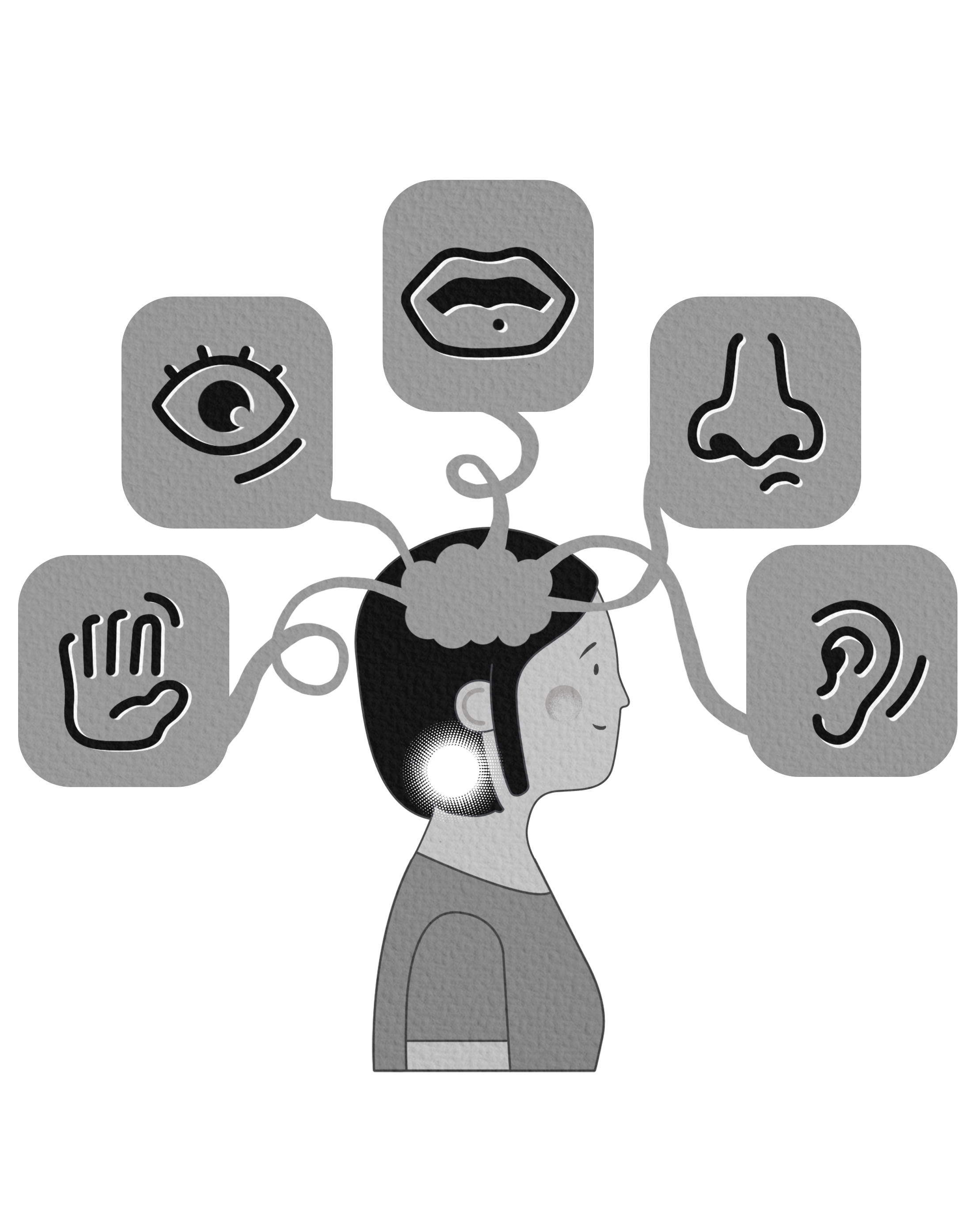
Generally, we use our senses to connect with the outside and perceive knowledge. This way of learning is called Perception. We also use our intelligence to infer new knowledge from the perceived information. This is called Inference. What we can realise through Perception and Inference is limited by the capacity of our senses. The mysteries of our life are beyond the senses. We cannot perceive or infer them. We need another tool to realise them.
Ancient sages and religious prophets have used Intuition to realise knowledge which is beyond our sense perception. Intuition is a very subtle capability within us. It lies in our subtle body covered by the gross physical body. Techniques like meditation help us to expand our consciousness and get access to this subtle but very powerful capability. The truths of life lie beyond our sense perception and can be realised only through intuition.
Myth 3: There is no scientific basis for spirituality. The fact is spiritual knowledge is realised scientifically.
“The subtle causes can be seen with inner vision. This inner vision is pure wisdom and it is attained through meditation. In meditation, we establish ourselves in the Knower who knows both the manifest and unmanifest. The Knower is able to observe because it is beyond Nature. Settled within, a person is able to realize three things: the root cause of this universe, the effects of this root cause, and his or her own real self as the Knower of both.” – Kapila
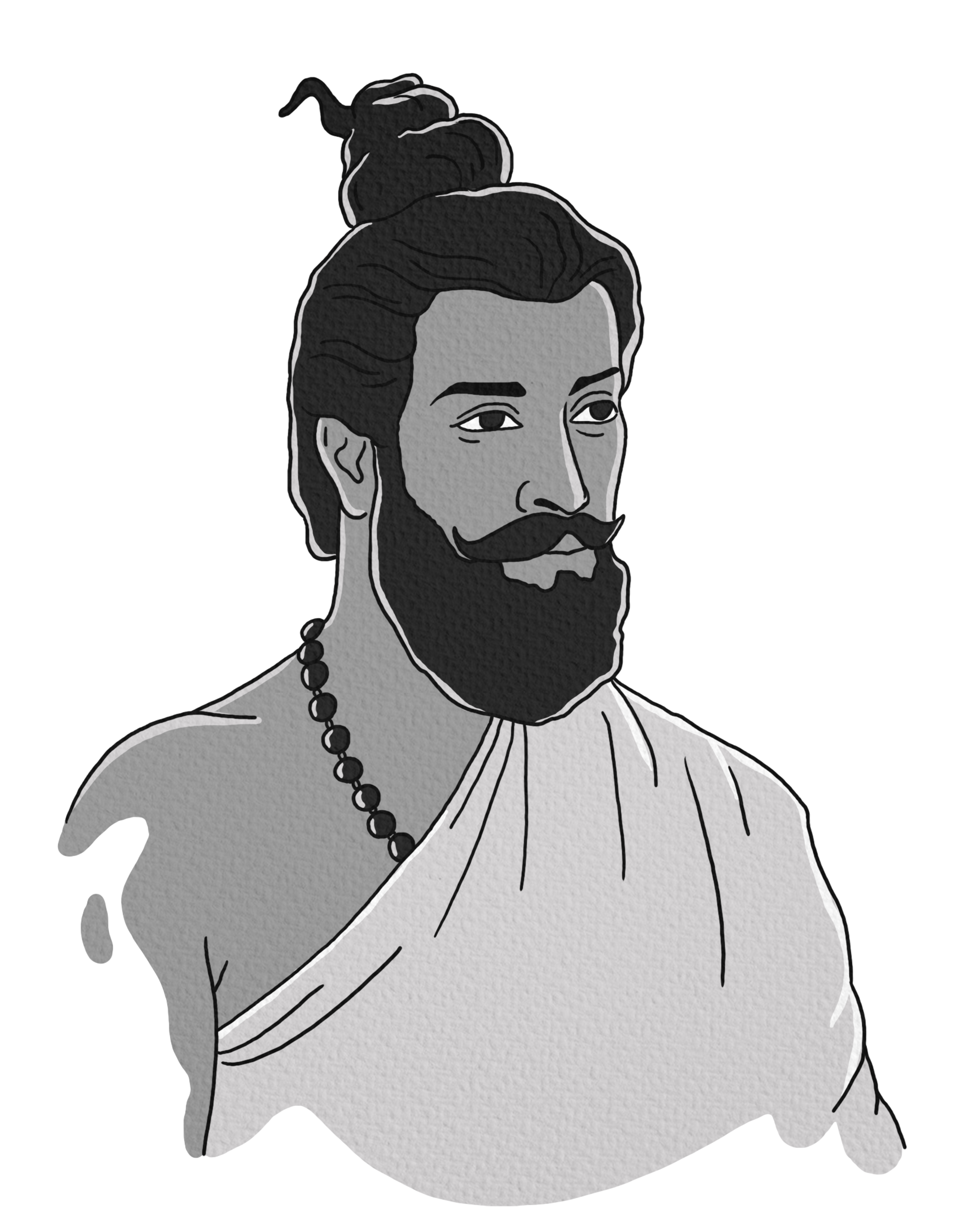
What is spiritual knowledge? Spiritual knowledge is the knowledge about our life – what is our origin, what governs our life, what happens to us after death, what is the ultimate purpose or meaning of our life etc. Today this knowledge is not with science, psychology or philosophy because of the limitations of the learning tool used in these domains. Spirituality, equipped with more powerful intuitive capability has this wisdom. Ancient scriptures contain these truths of life.
How did the ancient sages get access to this wisdom? Intuition is a subtle capability that lies in the very subtle causal body within us. In our normal state of consciousness, we have very little access to it. It becomes accessible to us at an expanded state of our consciousness. Ancient sages trying to understand the mysteries of the universe and our lives, when failed to realise it from the outside world, sat down to look within. As they went deep into meditation and their consciousness expanded, this divine knowledge was revealed to them intuitively. Intuition is a scientific way of learning like perception and inference, but more powerful than them. Spiritual wisdom gained intuitively is the scientific basis of spirituality. We can also realise the same wisdom if we can achieve a high state of meditation.